
Evensong at Christ Church Cathedral,Oxford
With the Harlequin Singers, Bristol
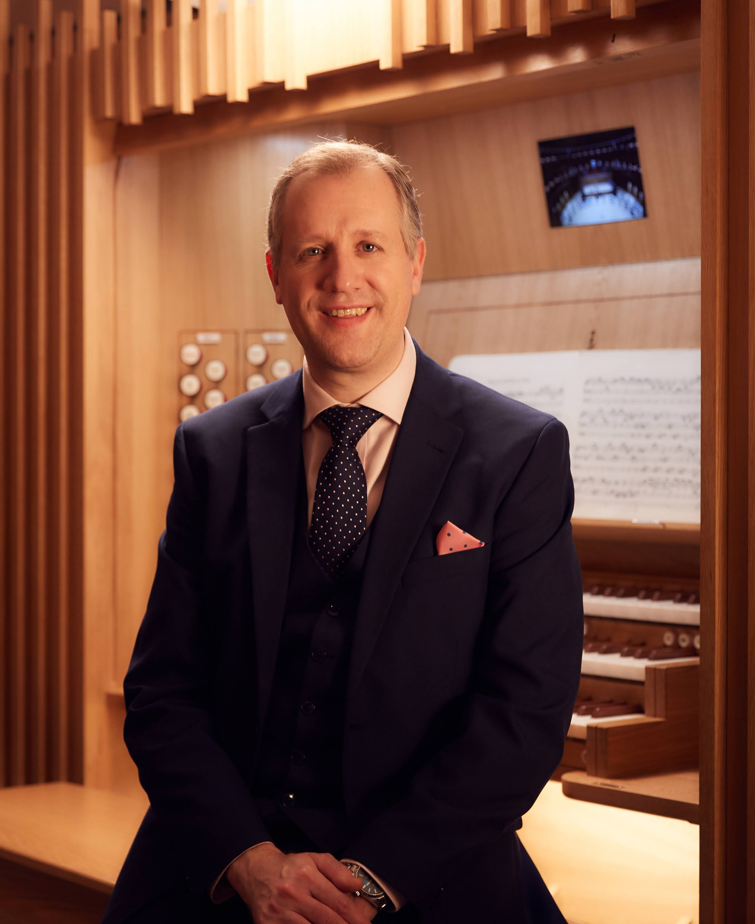
Gabs Damiani, Organist
Monday 15th June 2026 at 6.05pm
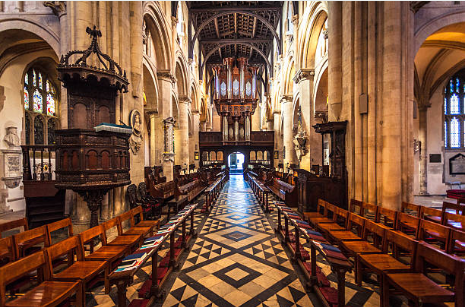
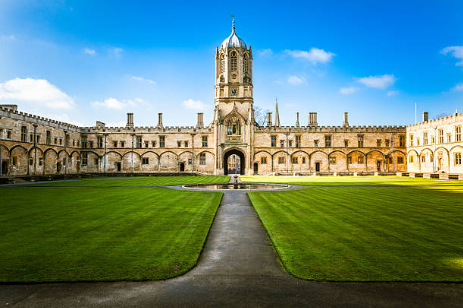

Evensong at Christ Church Cathedral, Oxford
Harlequin Singers, conducted by Fabian Huss; Gabs Damiani, organ
The setting could hardly have been more appropriate. Beneath the soaring vaults and ancient stonework of Christ Church Cathedral, Oxford, the Harlequin Singers from Bristol offered an Evensong of remarkable beauty and devotion, conducted with assurance and sensitivity by Fabian Huss and accompanied by organist Gabs Damiani.
Evensong occupies a unique place within the Anglican tradition, combining scripture, prayer, and music in a form that is both contemplative and profoundly expressive. This performance demonstrated why the service continues to hold such enduring appeal. From the opening responses, the choir established an atmosphere of serenity and focus, their singing characterised by excellent ensemble, clear diction, and a finely balanced sound that filled the cathedral without ever overwhelming it.
Fabian Huss directed with a sure sense of structure and purpose. Tempi were well judged, allowing the liturgical text to unfold naturally while maintaining a strong musical line. Throughout the service, he demonstrated an impressive understanding of the cathedral's acoustic, shaping phrases with patience and clarity.
The musical heart of the programme was Herbert Howells' Westminster Service, one of the most beloved settings of the Magnificat and Nunc Dimittis in the Anglican repertoire. The Magnificat emerged with a sense of grandeur and spaciousness, the choir navigating Howells' flowing textures with confidence and elegance. Particularly striking was the richness of the inner voices, which contributed warmth and depth to the overall sound.
In the Nunc Dimittis, the singers found a more introspective character. Huss carefully controlled the dynamic shaping, allowing moments of stillness to resonate fully within the building. The climactic passages possessed considerable emotional power while remaining dignified and restrained, qualities entirely in keeping with both the music and the liturgical context.
Gabs Damiani's contribution at the organ was equally distinguished. His accompaniment provided a secure and sensitive foundation for the choir, supporting the vocal lines with subtle colour and refinement. The organ voluntaries by Johann Ludwig Krebs and Dietrich Buxtehude offered an illuminating contrast to Howells' twentieth-century harmonic language. Damiani's playing combined technical fluency with stylistic awareness, bringing expressive articulation to Krebs' contrapuntal writing and a compelling sense of drama to Bruhns' more expansive musical architecture.
What distinguished the evening was not simply the quality of the music-making, but the evident understanding that Evensong is more than a performance. Choir, conductor, and organist served both the liturgy and the music with equal commitment, creating an experience that felt authentic, reflective, and spiritually engaging.
This was an Evensong of considerable musical accomplishment and devotional depth. Fabian Huss led the Harlequin Singers with intelligence and sensitivity, while Gabs Damiani's accomplished organ playing enriched the service at every turn. Together they demonstrated the continuing vitality of the Anglican choral tradition, offering a moving and memorable evening in one of England's most beautiful cathedral settings.